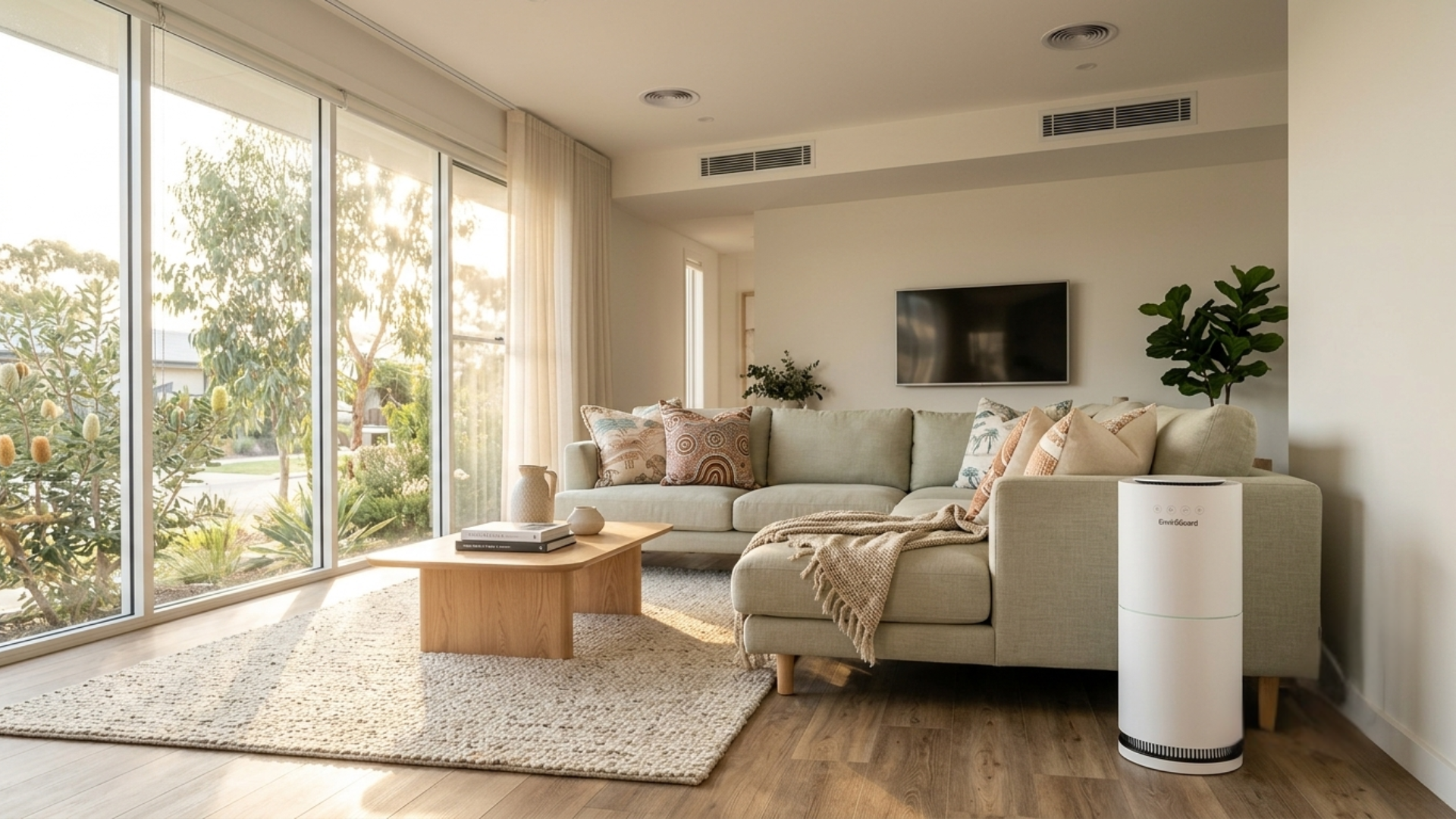
Let’s be honest, most of us assume the filter in our heating and cooling system is quietly keeping the air clean. Then bushfire smoke drifts in, hay fever hits in spring, or the house just smells a bit musty, and you realise that filter was never doing the job you thought it was. If you’ve ever stood in front of a wall of air purifiers wondering whether you really need one, you’re not alone.
This guide breaks down the air purifier vs HVAC filtration question in plain language, so you can work out what your home actually needs, and what’s just marketing.
How Each System Works

Think of an HVAC filter as a bouncer for your system, not for your lungs. It sits in your ducted heating or cooling unit, usually at the return-air grille or inside the air handler, and its main job is to stop dust, lint and hair from clogging the coil and fan. Cleaner air is a happy side effect, not the goal.
An air purifier is the opposite: cleaning the air in a room is its whole reason for existing. A fan draws air through a stack of filters, typically a pre-filter, a HEPA filter and sometimes activated carbon, then pushes the cleaned air back out. HEPA filters are tested to capture the vast majority of fine particles, including ones far smaller than the dust you can see.
Here’s one thing people miss. Plenty of homes use split systems rather than ducted ones, and split-system filters are simple mesh screens that only catch coarse dust. If that’s you, your air is getting very little real filtration right now.
Coverage Area Comparison

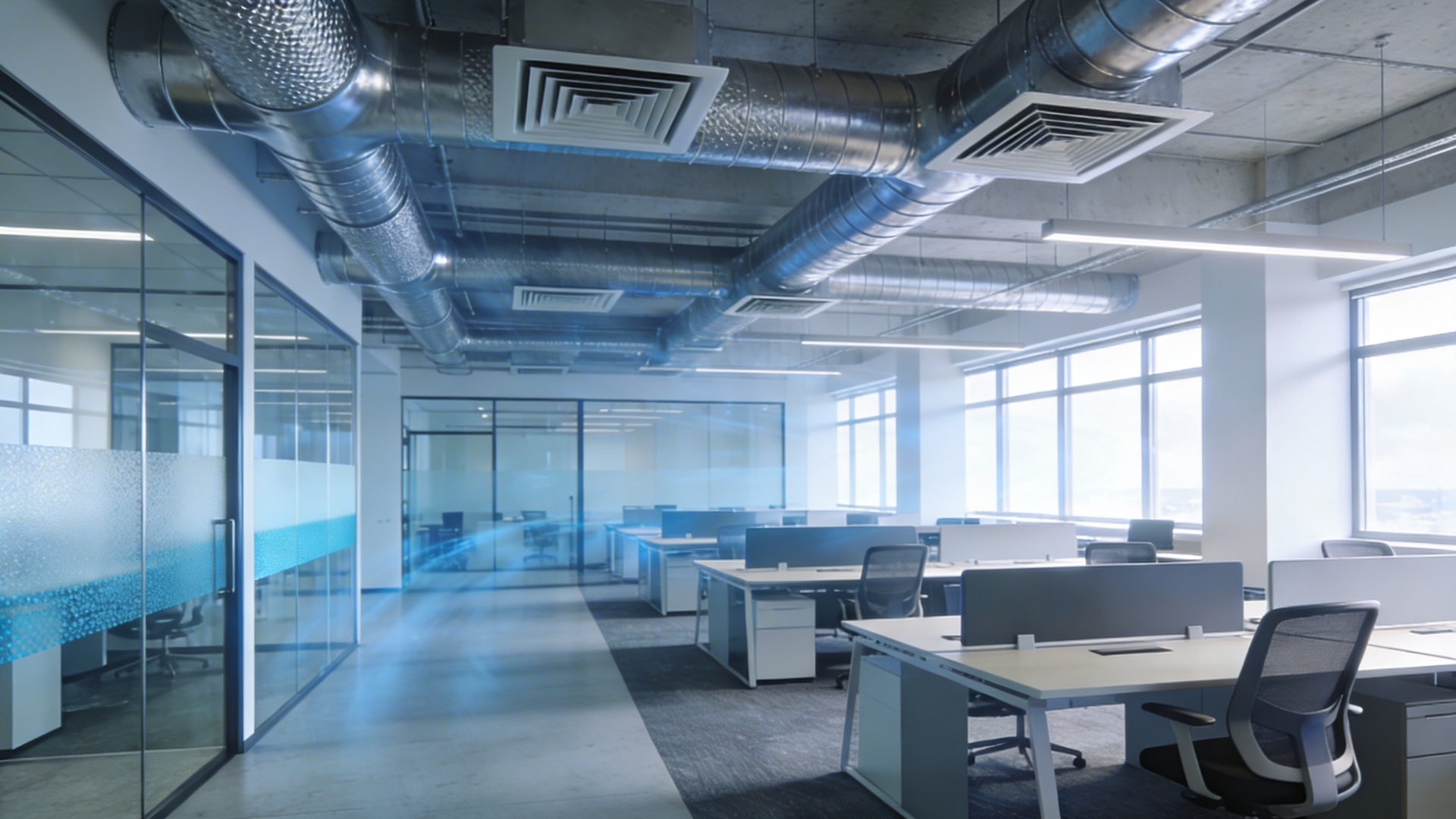
A ducted HVAC system moves air through every room connected to the ductwork, so on paper you get whole-house coverage. The catch is that the filter only treats air while the system is running. Switch it off on a mild day and the filtering stops with it.
A portable purifier works on the room it’s sitting in. Every model has a recommended room size, and that figure assumes the door is closed. Put a bedroom-sized unit in a big open-plan living area, and it will struggle to keep up.
Portable vs. Whole-House Solutions
If you’ve been searching for portable vs whole-house air purifier options in Australia, it really comes down to flexibility versus convenience.
- Portable: You can move it to where you need it, such as the bedroom at night or the living room during a smoke event. Larger homes may need more than one unit.
- Whole-house: Built into a ducted system so every room benefits. It needs a compatible setup and professional installation, and it only works while the system fan is running.
If you rent, or you live in an apartment or a home with split systems, a portable purifier is usually the only practical choice, and honestly, it’s a good one.
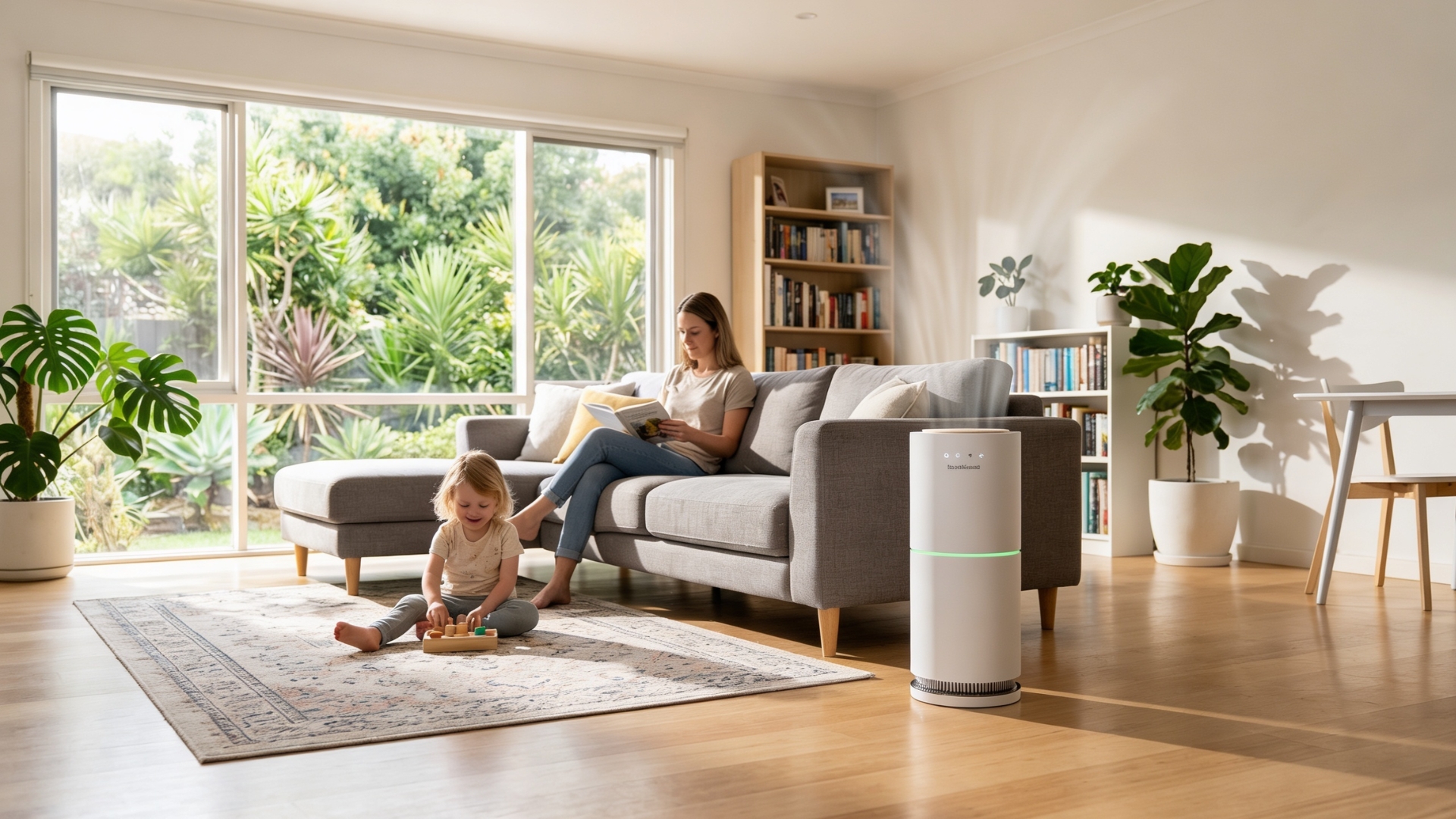
If you’re leaning towards a portable unit, one option to look at is the EnviroGuard Pro X, it uses a four-layer filtration system rated at 99.97% efficacy for particles down to 0.3 microns, and adds smart sensors, a light ring that shows air quality and app connectivity. It also uses a gel-based system designed to sanitise surfaces as well as air.
Types of Contaminants Addressed

Standard HVAC filters do a decent job with big particles like dust, lint, pet hair, and some pollen. Higher-grade filters can catch finer particles, but only as far as your system can handle without struggling for airflow.
True HEPA purifiers go much further. They capture fine particles such as smoke, bacteria and many allergens, and models with activated carbon can also take the edge off odours and some gases. That’s the difference you notice when smoke is hanging around outside.
Effectiveness Against Specific Pollutants

One honest caveat: no filter fixes a moisture problem. If you have mould, find and fix the source first, then let the purifier help with what’s still floating around. And if you ever use an air quality monitor, you’ll soon see how much indoor levels can swing after cooking, cleaning or opening a window.
Installation and Maintenance Requirements

HVAC filters: Replacement is usually simple: slide the old one out, slide the new one in. Many need changing every few months, and more often in dusty areas or if you have pets, so check the manufacturer’s guidance. Upgrading to a finer filter is a different story, because denser filters restrict airflow. Confirm your system can handle one before you buy.
Portable purifiers: Plug in and go. Maintenance means wiping the outside, vacuuming the pre-filter and replacing the HEPA and carbon filters on schedule. Filter life varies a lot between brands and conditions, so the manual is your friend.
Whole-house units: These need professional installation and a compatible duct setup, with servicing typically once a year.
If you go with the EnviroGuard Pro X, upkeep covers its PrimeProtect filter and Purox gel, both bought as replacements.
Cost Comparison: Initial and Ongoing
Prices vary by brand and retailer, so treat these as rough ranges and check current local pricing before you buy.
Standard HVAC filter: Low cost per replacement, but you’ll buy several a year.
Portable HEPA purifier: Typically, a few hundred dollars for a small-room unit, climbing past a thousand for large-room or premium models.
Whole-house system: The biggest upfront cost, often in the thousands once installed.
Then come the ongoing costs, mainly replacement filters and electricity. Filters are the part people forget to budget for, so plan on replacing a portable unit’s filters regularly, depending on how hard it works.
Energy Consumption Comparison
Portable purifiers are fairly frugal. As an example, a unit drawing 40 watts and running 24 hours a day uses about 0.96 kWh daily. At 30 cents per kWh, that’s roughly 29 cents a day, or around $105 a year. Your own numbers will differ with your tariff and your unit’s actual wattage.
Ducted systems draw far more power, and the fan is the biggest consumer. Running it nonstop just for filtration usually costs more than running a purifier or two in the rooms that matter.
When to Use Both Systems Together
You don’t have to pick a side. The two systems do different jobs, and together they give the best result:
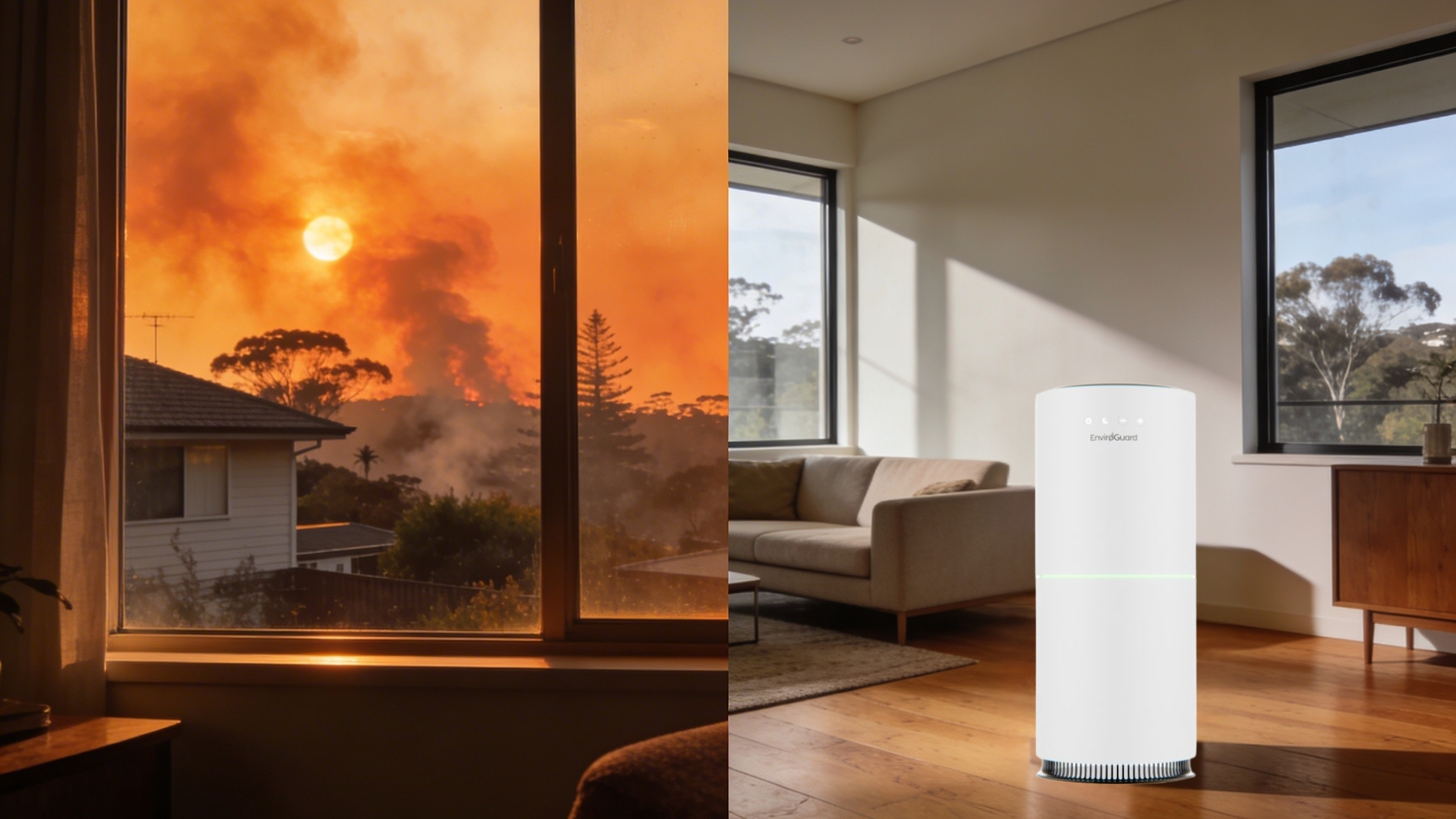
Bushfire season: Run your ducted system on recirculate with the best filter it supports, and use portable purifiers in the rooms where you sleep.
Allergies or asthma: Use HEPA purifiers in bedrooms and living areas, and keep the HVAC filter fresh to reduce the dust load.
Pets: The HVAC filter catches hair, while a purifier deals with dander and odour.
Babies or vulnerable family members: Add a purifier where they sleep, and ask your GP or health professional for specific advice.
That also answers the question “when should I use an air purifier?” Use one whenever you want cleaner air than your ventilation can deliver: during smoke events, in allergy season, in bedrooms, or any time your system is switched off.
Side-by-Side Comparison Table

FAQs About Air Cleaning Systems
Is an HVAC filter enough to clean my home’s air?
For basic dust, yes. For smoke, fine allergens or odours, a standard filter on its own usually isn’t.
Can I just buy a higher-grade HVAC filter?
Only if your system is designed for it. A denser filter on an incompatible system can reduce airflow and damage equipment.
Do air purifiers remove viruses?
Depends on the make and model. EnviroGuard PRO X is desined to remove pathogens including viruses, bacteria, mould and allergens (0.3 um) with 99.97% efficacy.
How many purifiers does a typical home need?
Usually one per frequently used room, sized to that room. Start with the bedroom.
Do I need a purifier if I have a split system?
Often, yes. Split-system filters mostly catch coarse dust, so a portable HEPA unit adds real filtration.
How often should I replace the filters?
It depends on the product and your home. Check the manual: HVAC filters are often changed every few months, while purifier HEPA filters usually last much longer. Dusty homes and pets shorten both.
Choose the Right System for Your Space

Get air quality solutions tailored to your space:
EnviroGuard PRO X — portable purification with 540 m³/h CADR
If you have any questions, please reach out to us at info@aeris.com.au or call us on +61 2 8344 1315.