In case your workplace continues to make you sick, the most prevalent factors are the poor indoor air quality factors that could include insufficient ventilation, contaminated HVAC systems, bloom and bacterial growth, VOCs accumulation, and ineffective hygienical protocols. These problems permit the spread of the air pollutants, allergens and pathogens in the air, which in turn enhance the morbidity and absenteeism of the employees. This is closely associated in Australia with sick building syndrome where the occupants report repetitive health symptoms as a result of indoor environmental conditions. To enhance the health of the air quality of the office and to decrease illnesses at the workplace, companies need to adopt an all-encompassing approach, which involves the enhancement of ventilation, air cleaning, HVAC systems, and regular hygiene policies.
What is Indoor Air Quality (IAQ)?
The term Indoor Air Quality (IAQ) is used to define the general quality of air in a building and its impact on the health, comfort, and productivity of the occupants of a building. It is comprised of airflow, humidity, temperature, and the pollutant levels.
The development of poor IAQ is slow. Most workplaces fail to realise the problem, until one of the employees starts becoming sick or uncomfortable frequently.
The Business Cost of Poor Indoor Air Quality
When a workplace continues to receive sick, there are much more implications than health of employees. It affects output, profitability and stability of the organisation.
Examples of business impacts are:
- Increased absenteeism
- Low productivity of employees.
- Lower morale and engagement
- Increased healthcare and insurance.
- Increased staff turnover
A drop in productivity in any magnitude can be converted to the huge financial losses in the long run.
Productivity Impact Studies
Studies consistently show that good indoor air quality enhances workplace performance. It has been shown that productivity can improve by up to 11% in well-ventilated spaces.
A Harvard study on office air quality and productivityconcluded that employees working in clean air environments demonstrate better cognitive ability, improved focus, and stronger decision-making performance.
Further research from the Harvard COGfx study on indoor air qualityfound that enhanced ventilation and reduced pollutants can significantly improve cognitive function scores.
Investing in IAQ is no longer optional for Australian organisations. It is a strategic business decision that directly improves employee performance, wellbeing, and overall organisational productivity.
Problem 1: Inadequate Ventilation Rates

Poor ventilation is among the major causes of keeps getting sick in the workplace. Lack of adequate fresh air circulation means that the pollutants build up and continuously circulate.
Contemporary structures are usually constructed in such a way that they are energy efficient and this leads to a stuffy environment. Although this lowers the cost of energy, it also causes trapping of contaminants.
Why It Matters More Than You Think
Poor ventilation has direct impact on health as well as productivity.
- High levels of carbon dioxide lower concentration and decision making.
- Viruses that are in air stay longer.
- The low oxygen levels are associated with headaches and fatigue.
- Uncomfortable working atmosphere is caused by stale air.
The risk of the spread of illnesses is high in poorly ventilated spaces.
Step by Step Solution
1. Carry out a ventilation audit (1 to 2 weeks)
Testing of airflow rates and comparing them to Australian standards like AS 1668.
2. Ventilate (2 to 4 weeks) the building outdoors.
Change HVAC systems so that more fresh air flows into the building.
3. Upgrade ventilation systems (3 to 1 months)
Think about such advanced systems as energy recovery ventilators to regulate the airflow and efficiency.
4. Install air quality monitoring (1 week)
Monitor the carbon dioxide, humidity and pollutant levels in real time with smart sensors.
Pro Tip: You can maintain a healthy air in the office by having carbon dioxide levels not exceeding 800 ppm, which enhances the performance of the employees.
Problem 2: Contaminated HVAC Systems

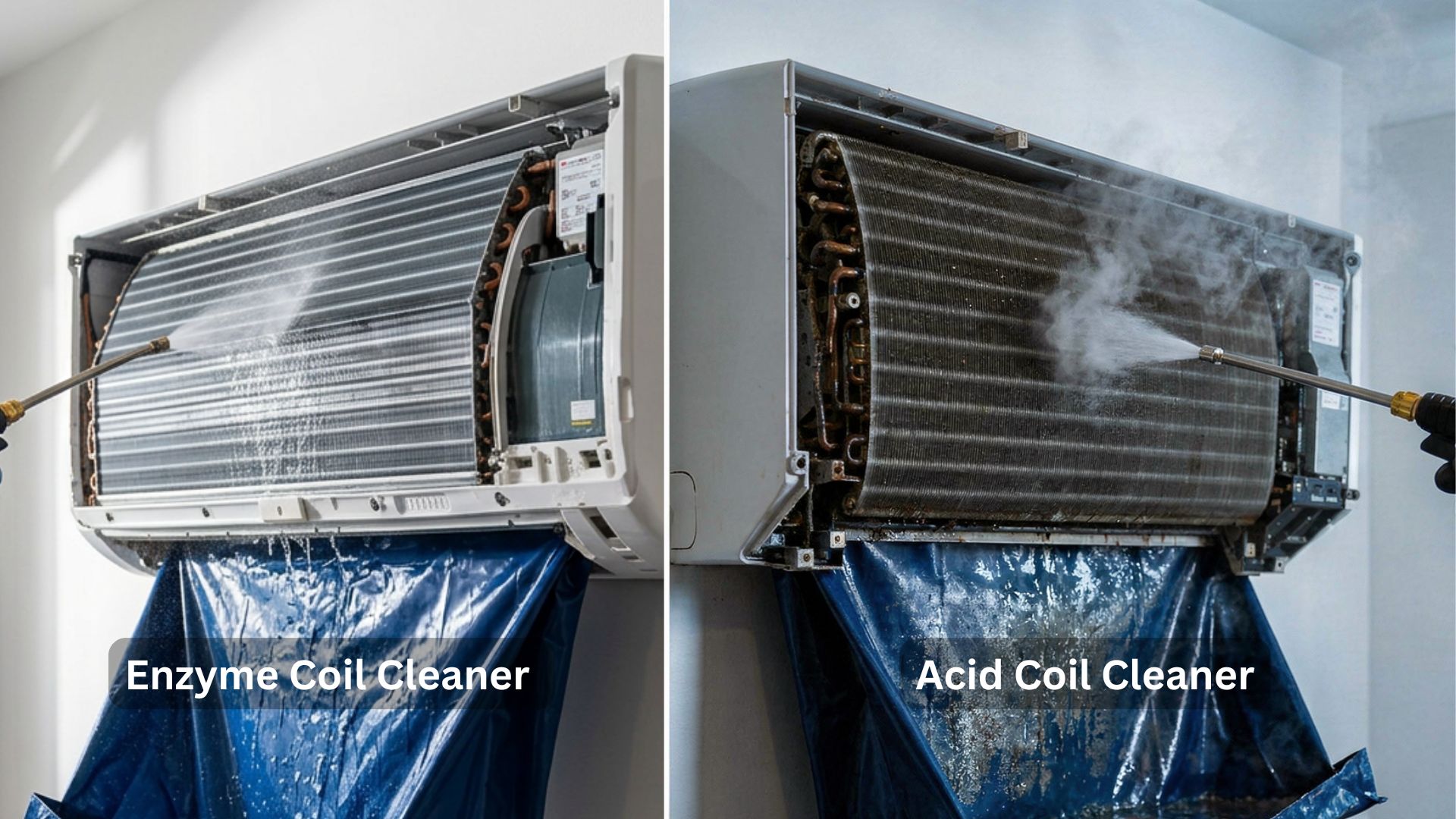
The HVAC systems are important in the preservation of indoor air. But in a bad state of care, they may be a significant contamination source.
Dust, mould and bacteria may build up in the inside of the ducts and filters. With time, the system starts spreading these contaminants in the work place.
Hidden Risks in HVAC Systems
- Contamination of bacteria and viruses in various regions.
- Worsening of allergy and asthma.
- Circulation of mould spores
- Reduced airflow efficiency
Most of the work places do not realise how fast HVAC can be polluted.
Step by Step Solution
1. Arrange periodic check-ups (quarterly)
Detect problems at the earliest and ensure the functioning of the system is kept.
2. Changing filters regularly (1-3 months) is important.
Where possible, use high efficiency filters.
3. Clean ducts (clean annually).
Eradicate dusts and microbial growth.
4. Installation of air purification technology (2 to 4 weeks)
Other solutions, such as bi polar ionisation can counter airborne pathogens.
5. Supervise HVAC operation.
The intelligent systems may be used to identify circulatory problems and notify maintenance teams.
Noteworthy: Lack of HVAC maintenance is one of the greatest obstacles to the attempts at minimising IAQ in the workplace.
Problem 3: Mould and Bacterial Growth

Bacterial and mould growth is a major cause of poor indoor air quality and recurring illness in workplaces. Unlike visible dust, these contaminants spread silently through the air and often go unnoticed until people start experiencing symptoms.
Mould can develop behind walls, under floors, or within HVAC systems, especially in areas with fluctuating humidity or hidden water damage. Once formed, it releases microscopic spores into the air, which are easily inhaled by occupants.
Why Mould and Bacteria Are High Risk
Mould and bacteria don’t just affect comfort, they directly impact health and safety. Prolonged exposure can lead to both short- and long-term health issues, including: Respiratory problems (coughing, wheezing, shortness of breath)
- Worsened asthma and allergies
- Eye irritation and skin inflammation
- Fatigue, headaches, and poor concentration
- Increased risk of infections
These symptoms are commonly linked to Sick Building Syndrome, especially when multiple occupants experience them without a clear medical cause.
How Contamination Spreads
Mould and bacteria thrive in damp, humid, and poorly ventilated environments and spread rapidly through:
- HVAC systems and air circulation
- Porous materials like carpets, ceilings, and insulation
- Untreated water-damaged areas
- Condensation around windows and pipes
Because spores are microscopic, even small contamination sources can affect large indoor spaces over time.
Sick Building Syndrome Signs
- Allergic reactions not identified.
- Stale or mouldy smell in some localities.
- Evidence of moulds on walls or ceilings.
- More absenteeism with no apparent explanation.
When these symptoms are regularly experienced, there is a high chance that environmental factors inside are a cause of illness.
Step by Step Solution
1. Carry out a moisture and mould test (1 to 2 weeks)
Determine where moisture exists under the carpet by professional moisture detecting instruments like thermal images or moisture gauge.
2. Treat water intrusion in the short term (1 to 3 weeks)
Repair a roof, plumbing leakage or window leakage. Even the slightest leakage may provide prime conditions to the mould.
3. Dispose of infected substances (where necessary) in a safe manner.
Mould-affected porous materials can usually be replaced instead of being cleaned.
4. Use antimicrobial therapy (1 week)
Apply approved fungicide to destroy the spores left to avoid re-infection.
5. Manage the humidity in the rooms (continuous control)
Keep the humidity at 40-60 percent to prevent the growth of microbes.
6. Enhance ventilation and air flow (2 to 4 weeks)
Air circulation helps in the elimination of moisture as well as avoiding stagnant situations.
7. Monitor regularly (ongoing)
In order to prevent the recurrence of such an issue, routine checks should be taken.
Pro Tip: Mould may not be visible, but unknown health-related symptoms may be a sign of the hidden contamination. It is necessary to intervene early to minimize IAQ in the workplace and prevent the expensive remediation.
Problem 4: VOC Accumulation

Volatile Organic Compounds (VOCs) are an important issue in indoor air pollution but silent. These toxins are released as gas emissions of typical office materials and products, without any clear warning most of the time.
Since VOCs are emitted constantly in sources like furniture, flooring, paints, and cleaning products, they may accumulate over a period; particularly in stuffy environments.
The seriousness of concern about VOCs
Although the individual exposure levels might not be high, the accumulated health effects might be experienced due to the prolonged exposure.
- Irritation of the throat, nose, and eyes.
- Headaches and dizziness
- Prolonged respiratory problems.
- Poor cognitive ability.
In most situations, exposure to VOC is one of the factors that contribute to the discomfort that has been prevalent with sick building syndrome in Australia.
Sources of commonality at the workplace
- Newly fitted floors and carpets.
- Furniture in the office is made of pressed wood.
- Adhesives, varnishes, and paints.
- Cleaning sprays and perfumes.
Even the ordinary office materials such as the printers and markers have the ability of releasing the VOCs.
Step by Step Solution
1. Carry out an indoor pollutant assessment (1 to 2 weeks)
Determine significant VOC sources at the workplace.
2. Modify to low VOC or VOC free products (continuous)
Select green certified materials and cleaning materials.
3. Ventilate more when the high emitting times occur (immediate)
This is necessary especially following renovations or new installations.
4. Installation of air purification systems (2 to 4 weeks)
High-levels filtration and ionisation can severely minimize the levels of VOCs.
5. Develop buying policies on low emission goods.
The way to avoid future accumulation is to regulate the inflow of what is done in the workspace.
Pro Tip: It is necessary to not only be able to deal with VOCs when dealing with comfort but also improve the quality of the air in the office to promote health and the long-term wellbeing of employees.
Problem 5: Poor Surface Hygiene Protocols

While air quality gets most of the attention, surface hygiene plays an equally important role in whether a workplace keeps getting sick. Contaminated surfaces act as reservoirs for bacteria and viruses, which can easily become airborne again through everyday activities like movement, cleaning, or simple hand contact.
In many offices, hygiene protocols are either outdated or inconsistently followed. Cleaning may happen regularly, but not effectively. High touch surfaces are often overlooked, and incorrect products reduce the impact of cleaning efforts.
Common Surface Hygiene Gaps
Even well managed workplaces often miss key areas:
- High touch points like door handles, keyboards, and lift buttons
- Use of non hospital grade disinfectants
- Lack of structured cleaning schedules
- Shared equipment like phones and meeting tools left uncleaned
- Soft surfaces such as carpets and upholstery ignored
Small gaps can lead to significant contamination over time.
Step by Step Solution
1. Review cleaning protocols (1 week)
Assess what is cleaned, how often, and which products are used.
2. Set clear cleaning schedules (ongoing)
Implement daily, weekly, and monthly routines.
3. Focus on high touch areas (immediate)
Prioritise desks, door handles, and shared equipment.
4. Use hospital grade disinfectants (ongoing)
Ensure effectiveness against bacteria and viruses.
5. Apply advanced surface treatments (2 to 3 weeks)
Reduce microbial presence with longer lasting protection.
6. Train staff properly (ongoing)
Emphasise correct disinfection techniques.
7. Promote personal hygiene (ongoing)
Encourage hand washing and clean desk practices.
Pro Tip: Cleaning removes visible dirt, while disinfection eliminates harmful microorganisms. Both are essential to reduce workplace illness IAQand maintain a healthy environment.
Comparison Table: IAQ Solutions

Creating a Comprehensive IAQ Strategy

A workplace that consistently experiences illness requires more than isolated fixes. A structured and comprehensive IAQ strategy is essential.
Why a Holistic Approach Matters
Indoor environments are complex and constantly changing. Addressing one issue without considering others can limit effectiveness.
For example, improving ventilation without controlling humidity may still allow mould growth.
Step by Step IAQ Strategy
- Conduct a full IAQ audit (2 weeks)
- Develop a customised improvement plan (2 to 3 weeks)
- Upgrade ventilation systems (1 to 2 months)
- Implement air purification technologies (2 to 4 weeks)
- Enhance cleaning protocols (ongoing)
- Install monitoring systems (1 to 2 weeks)
- Train staff and maintain awareness (ongoing)
AU Australian Building Standards
- AS 1668 ventilation standards
- National Construction Code
- Safe Work Australia guidelines
Long Term Benefits
- Reduced illness and absenteeism
- Improved productivity
- Better employee wellbeing
- Stronger organisational performance
Expert Tips and Common Mistakes
Expert Tips
- Use real time air monitoring systems
- Combine multiple IAQ solutions
- Schedule preventive maintenance
- Educate employees on hygiene
Common Mistakes
- Ignoring early symptoms
- Using air fresheners instead of proper solutions
- Skipping HVAC maintenance
- Choosing high VOC products
FAQs About Workplace Air Quality
Why does my workplace keep getting sick?
- Poor ventilation, contaminated HVAC systems, and indoor pollutants are the main causes.
What is sick building syndrome Australia?
- It refers to health issues caused by indoor environmental conditions within a building.
How can I improve office air quality health?
- Improve ventilation, maintain HVAC systems, and use air purification technologies.
How do I reduce workplace illness IAQ issues?
- Adopt a comprehensive strategy that includes monitoring, cleaning, and air treatment solutions.
Are air purifiers enough?
- No, they should be part of a broader IAQ strategy.
How often should HVAC systems be maintained?
- Quarterly inspections and regular filter replacements are recommended.
Key Takeaways
- Poor IAQ is a major reason workplace keep getting sick
- Key causes include ventilation, HVAC systems, mould, VOCs, and hygiene
- Sick building syndrome is common in Australia
- A comprehensive IAQ strategy is essential
- Better air quality improves health and productivity
Create a Healthier, Safer Workplace Today
If your workplace keeps getting sick, it’s time to take action. Don’t let poor indoor air quality impact your team’s health, productivity, and performance.
With the Aeris Solutions, combining HVAC + Air Purification + Surface Hygiene + Mould Remediation., you can effectively reduce airborne contaminants and create a cleaner indoor environment.
If you have any questions, please reach out to us at info@aeris.com.auor call us at +61 2 8344 1315.